Pet Costumes & Novelty Gear (Skip) review: skip it
Built for one photo and priced like clothing. The seams, sizing, and your pet's opinion all agree: this is a purchase for the owner. If the photo matters, a bandana gets you most of the picture with none of the struggle.
What we like
- The photo is real — a good pet costume picture is genuinely delightful
- Bandanas and holiday collars deliver the theme with minimal pet objection
- Occasionally useful sizing practice for pets that will need functional gear later
Flaws but not dealbreakers
- Construction is disposable — single-event seams at recurring-purchase prices
- Sizing charts are optimistic fiction across species and breeds
- Many pets visibly hate it, and the freeze-and-endure pose is not consent
- Velcro, elastic and dangling parts become chew hazards the moment you look away
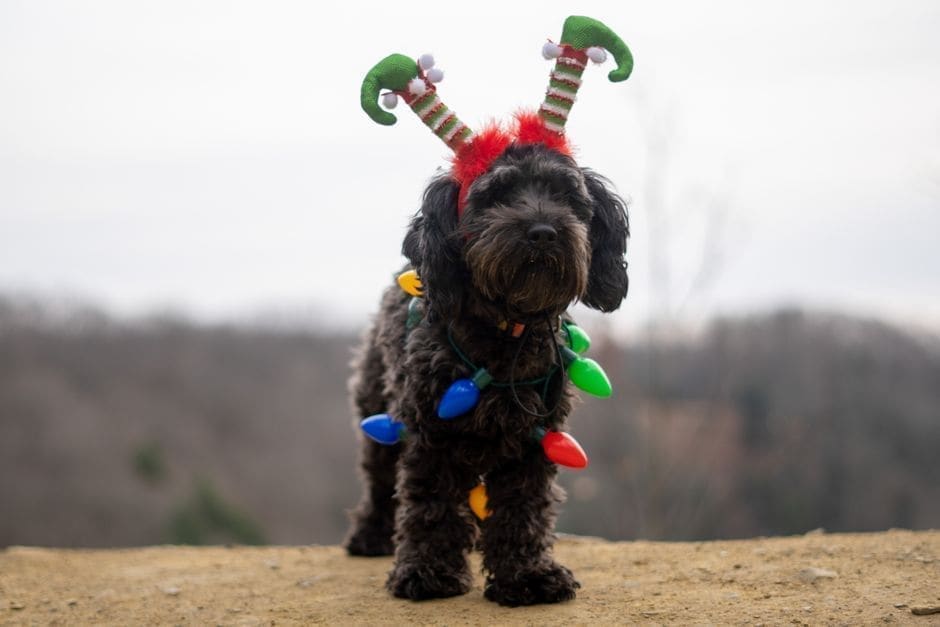
Somewhere in your feed right now a bulldog in a taco suit is doing numbers, and the pet costume industry runs entirely on that image. Here is what the image doesn't show: the sizing chart that fit no actual dog, the seam that opened on the second wearing, and the long negotiation before the shutter in which the bulldog made his position clear. This category exists for the owner — which is a legitimate thing to sell, but it should be priced and built like the single-use novelty it is, and it rarely is.
The product problems are consistent across brands. Construction is party-store grade — thin fabric, weak stitching, decorations attached with the structural integrity of a gift bow — sold at prices that imply a garment. Sizing is guesswork stretched across body shapes that vary more than the chart admits. And safety is the quiet issue: dangling parts, elastic, and small attachments become chew-and-swallow candidates the moment supervision lapses, which is why any costume session should be exactly that — a supervised session, not an outfit for the day. Watch the animal, too: a pet that freezes, flattens, paws at the thing, or bolts is answering the question, and the polite response is to take it off.
For the wider picture, our Where Pet Money Actually Goes: A Guide to the Unglamorous Aisles covers how this category shakes out.
If a costume is going on regardless, there are a few things that separate a tolerable one from a genuinely bad idea, and they are all about the animal rather than the look. Nothing should restrict the legs, cover the eyes or ears, or sit tightly around the neck and chest — a pet that cannot move normally, see properly or pant freely is a pet in distress wearing something amusing. Small dangling parts are a swallowing risk and the commonest reason these outfits end in a vet visit. And whatever goes on comes off the moment the photographs are taken; the costume is an event, not an outfit.
Reading the animal is the part most owners get wrong, because the signals are quiet. A dog that has gone still and lowered its head is not being patient — freezing is a stress response, and it is routinely mistaken for tolerance because it produces a nice photograph. Lip licking, yawning out of context, whale eye where the whites show, ears pinned back, a tail tucked low: all of these mean stop, and none of them look dramatic. Cats are blunter and tend to simply stop functioning, walking oddly or flattening themselves against the floor. An animal that genuinely does not mind moves normally with the thing on. Very few do.
The skip rating comes with an honest alternative. If the household tradition matters — and holiday photos are a real tradition, no apology needed — a themed bandana or collar delivers most of the picture with almost none of the objection, survives more than one year, and costs a fraction. Save the full costume budget for pets who genuinely tolerate wearing things, and let the rest of them attend the party as themselves, which was always the better photo anyway.
Key specs
- Type
- Category review — costumes and novelty apparel
- Honest role
- One photo, then the donation bin
- Better version
- Bandana or themed collar